 2026.08.24
 Noticias de la industria
Contenido
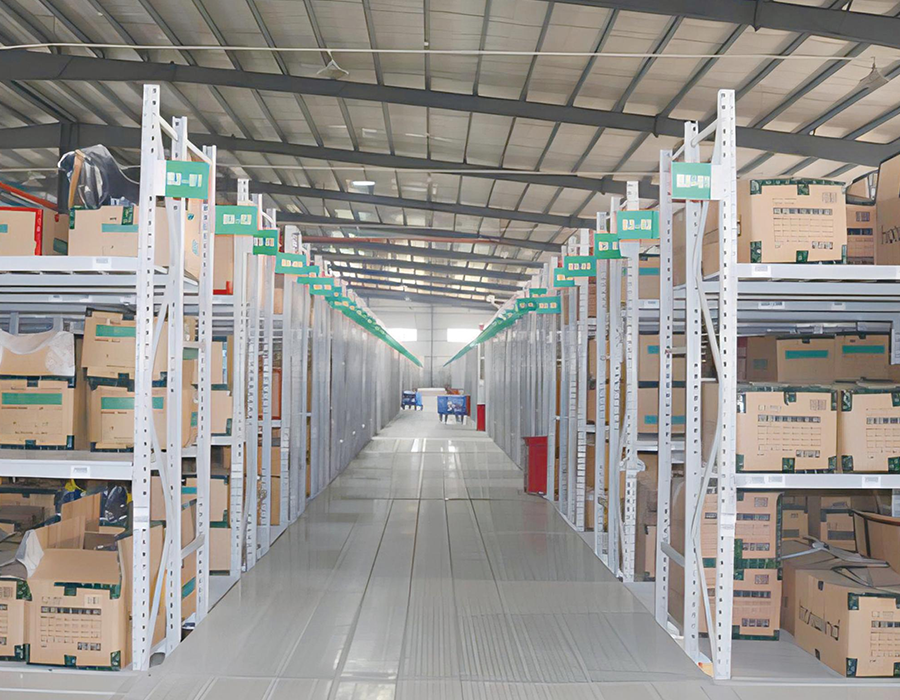
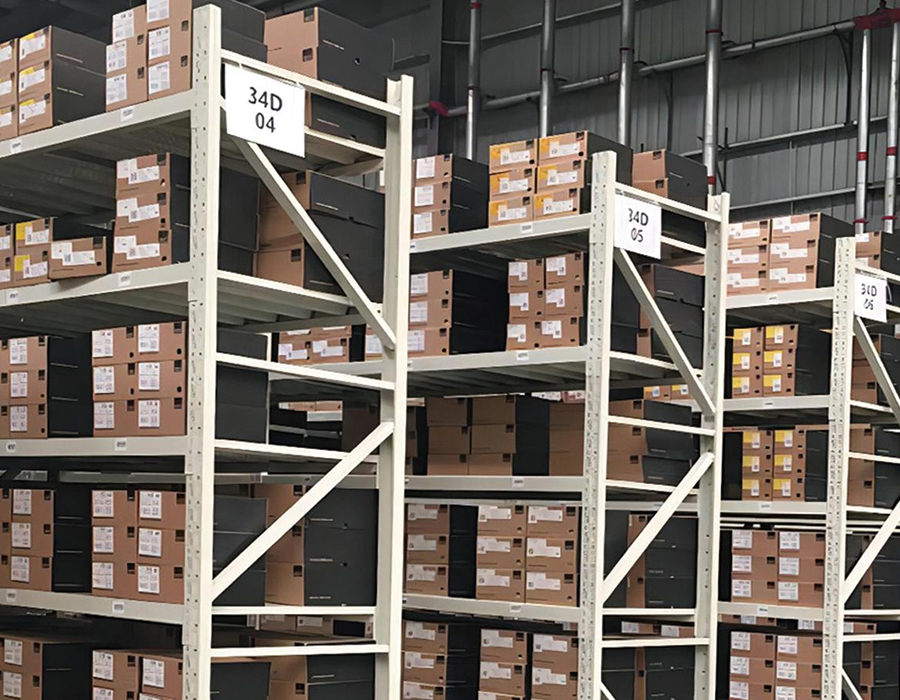
Light-Duty Boltless Shelving is a type of storage rack designed to hold smaller, lighter items without requiring nuts, bolts, or screws to put together. Instead, the frame uses a rivet-and-slot or boltless connector system, where the beams simply snap or slide into pre-punched holes on the upright posts. This makes it one of the fastest and most beginner-friendly shelving options available, whether you're organizing a home closet, a garage, a pantry, or a small office storeroom. Unlike heavy-duty industrial shelving meant for pallets or bulky equipment, light-duty versions are built for everyday items like storage bins, books, tools, canned goods, and file boxes, typically supporting anywhere from 150 to 500 pounds per shelf depending on the brand and design.
Because it's affordable, lightweight, and quick to assemble, this type of shelving fits naturally into spaces where you need organized storage but don't want to invest in permanent or industrial-grade fixtures. Below are some of the most common places people use it.
Not all boltless shelving units are built the same, and choosing the right one depends on what you plan to store, how much space you have, and how often you'll need to adjust the layout. Here are the main features worth paying attention to before you buy.
Always check the per-shelf weight rating rather than the total unit capacity, since most manufacturers list both. A shelf rated for 200 pounds evenly distributed is very different from one that can handle heavy, concentrated loads like stacked toolboxes.
Look for units where the beams can be repositioned at different heights along the upright posts. This lets you customize the spacing to fit taller bins on one level and shorter boxes on another, making better use of vertical space.
Most light-duty boltless shelving comes with particleboard, MDF, or steel decking. Particleboard and MDF are budget-friendly and fine for dry indoor spaces, while steel decking holds up better in garages or areas with moisture and humidity.
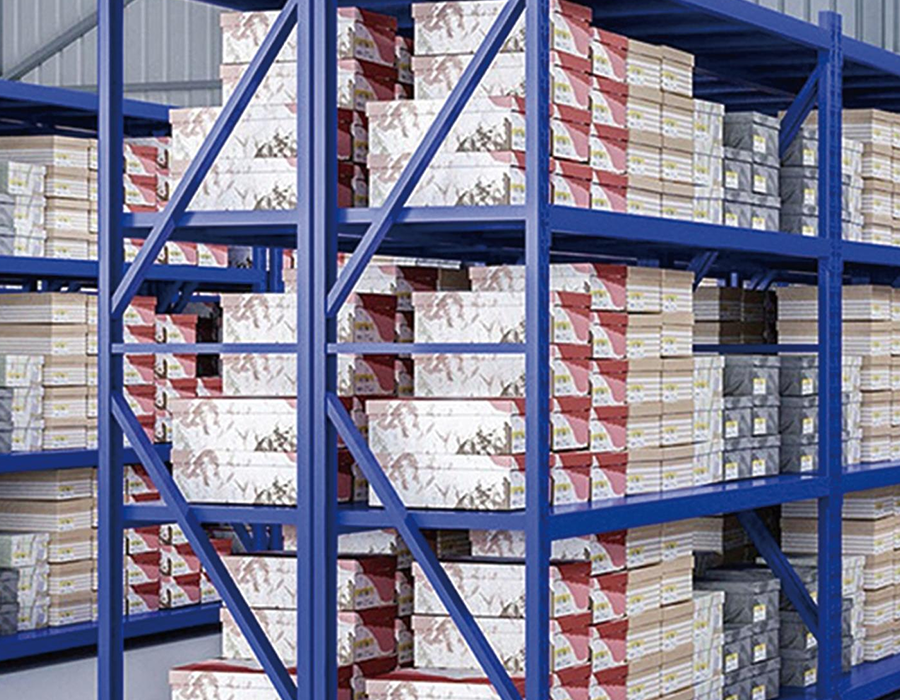
One of the biggest selling points of this shelving style is how quickly it goes from box to finished unit. Most people can assemble a standard four- or five-shelf unit in under thirty minutes without a single tool. Here's a simple step-by-step approach that works for most models.
It helps to see how light-duty boltless shelving compares to other common storage choices before making a final decision. The table below breaks down the key differences.
| Storage Type | Assembly | Typical Load Per Shelf | Best For |
| Light-Duty Boltless Shelving | No tools, snaps together | 150–500 lbs | Home, garage, light office use |
| Heavy-Duty Bolted Shelving | Requires tools and hardware | 800–2000 lbs | Warehouses, industrial storage |
| Wire Shelving Units | Snap or bolt, moderate effort | 250–600 lbs | Kitchens, pantries, ventilation needs |
| Plastic Freestanding Shelves | No tools, lightweight snap fit | 50–150 lbs | Small closets, bathrooms |
A little planning goes a long way in making your shelving both sturdier and more functional over time. Keep these practical tips in mind once your unit is assembled.
Even though Light-Duty Boltless Shelving is simple to use, a few common errors can shorten its lifespan or create safety hazards. Overloading a single shelf beyond its rated capacity is one of the most frequent mistakes, often caused by underestimating how heavy stacked storage bins can get. Another issue is placing the unit on an uneven floor without adjusting the leveling feet, which puts uneven stress on the frame and can cause it to wobble or lean over time. Some people also skip checking that all beams are fully seated into the connector slots, which can lead to a shelf shifting or collapsing under weight. Finally, using this type of shelving for items it wasn't designed for, such as heavy machinery or large appliances, is a common cause of premature wear and structural failure.
Nuestro equipo profesional
está listo para apoyarle.





 English
 Español